racial segregation
20 items
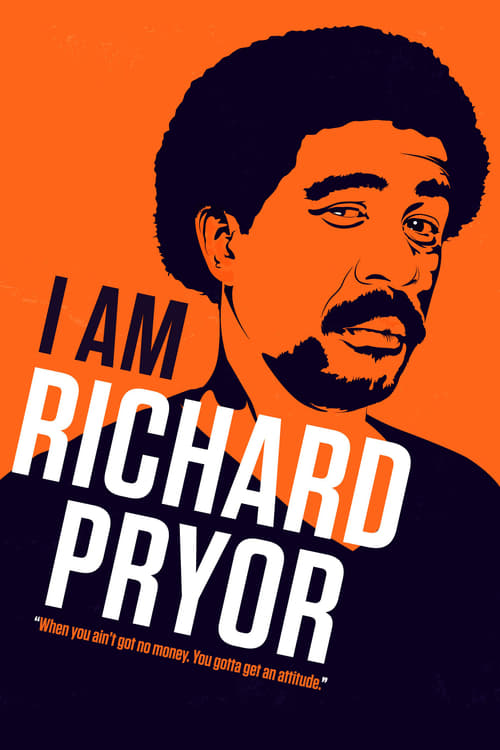
I Am Richard Pryor
The life story of Richard Pryor (1940-2005), the legendary performer and iconic social satirist who transcended racial and social barriers with his honest, irreverent and biting humor.
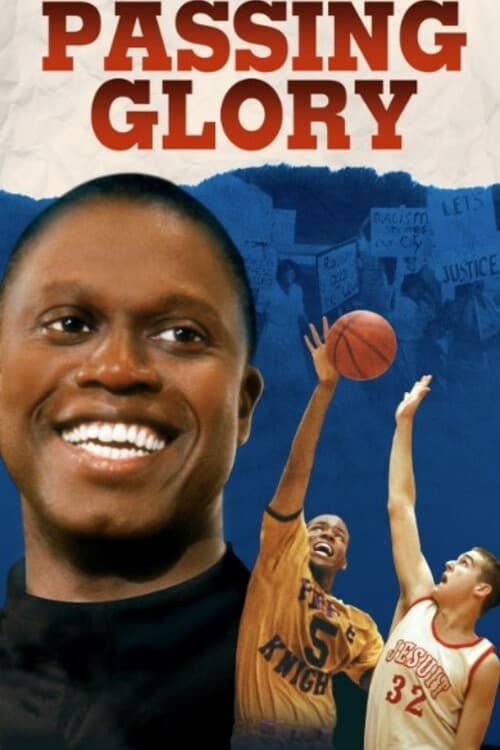
Passing Glory
A true story of a priest (Andre Braugher) in New Orleans who formed a group of black players and challenged an all-white prep school basketball team in the 1960's. Eventually events like these signaled the pivotal turn in the games' history leading to the integration in today's sport. Directed by Steve James (Hoop Dreams), these basketball players didn't just make shots, they made history.
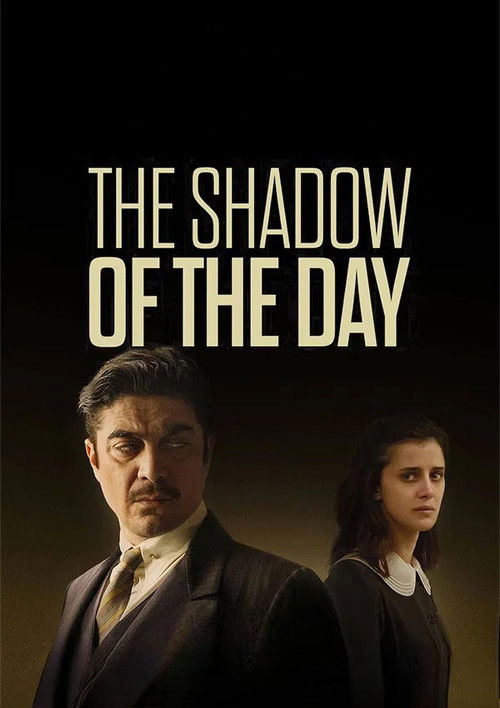
The Shadow of the Day
L'ombra del giorno
In 1938 Italy, after Jews are banned from public life, fascist-abiding restaurateur Luciano nonetheless believes he can still live by his own rules. Everything changes when Anna, a girl with a dangerous secret, begins working at his business.
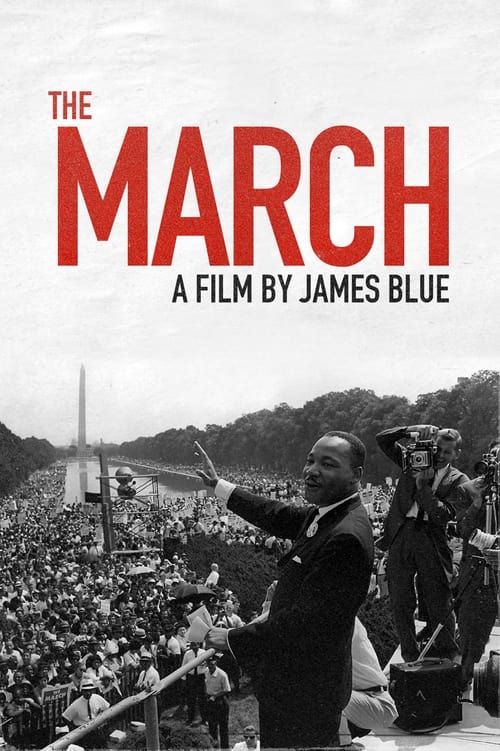
The March
The March, also known as The March to Washington, is a 1964 documentary film by James Blue about the 1963 civil rights March on Washington. It was made for the Motion Picture Service unit of the United States Information Agency for use outside the United States – the 1948 Smith-Mundt Act prevented USIA films from being shown domestically without a special act of Congress. In 1990 Congress authorized these films to be shown in the U.S. twelve years after their initial release. In 2008, the film was selected for preservation in the United States National Film Registry by the Library of Congress as being "culturally, historically, or aesthetically significant". (Wikipedia)
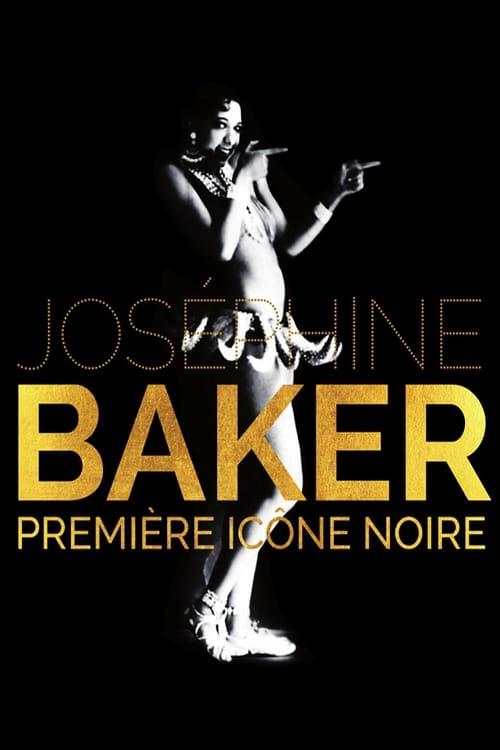
Josephine Baker: The Story of an Awakening
Joséphine Baker, première icône noire
How did a poor little black girl from Missouri become the Queen of Paris, before joining the French Resistance and finally creating her dream family “The Rainbow Tribe”, adopting twelve children from four corners of the world? This is the fabulous story of the first black superstar, Josephine Baker.
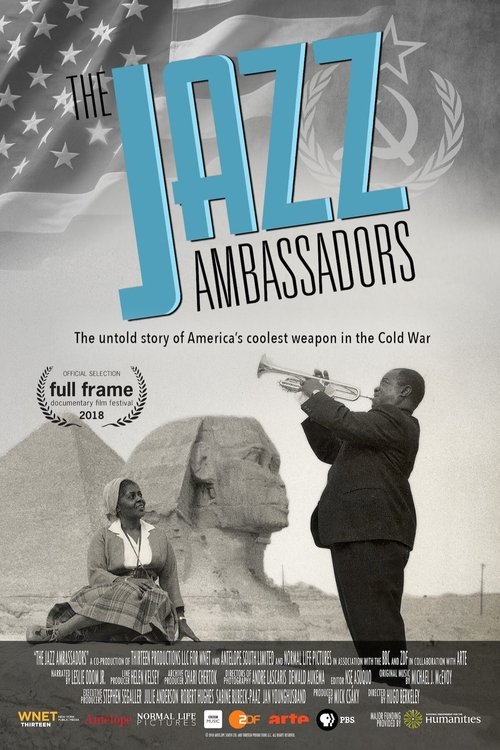
The Jazz Ambassadors
The Cold War and Civil Rights collide in this remarkable story of music, diplomacy and race. Beginning in 1955, when America asked its greatest jazz artists to travel the world as cultural ambassadors, Louis Armstrong, Dizzy Gillespie, Duke Ellington and their mixed-race band members, faced a painful dilemma: how could they represent a country that still practiced Jim Crow segregation?
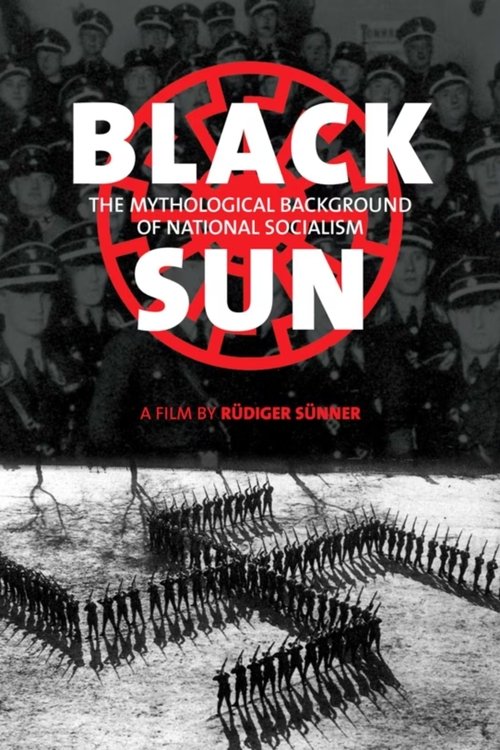
Black Sun
Schwarze Sonne - Mythologische Hintergründe des Nationalsozialismus
A historical analysis of how groups such as the Nazi’s may use language, symbols, and religious connotation in order to come to power. It raises questions that deserve in depth analysis and consideration. Questions include: Where do legends expand our thinking and where do they bury it? When does spiritual pursuit suddenly turn into fanaticism and violence? Last, have we as a society learned from our past, and if so have forgotten the lessons of the 20th Century? Are we now embarking on a new level only to learn the same old lessons about humanity again? In addressing these questions we are taken into the back drop of the history of Germany beginning in the late 1800’s through the late 20th Century at the eve of the 21st. “A society that does not take archetypes, myths, and symbols seriously will possibly be jumped by them from behind.”
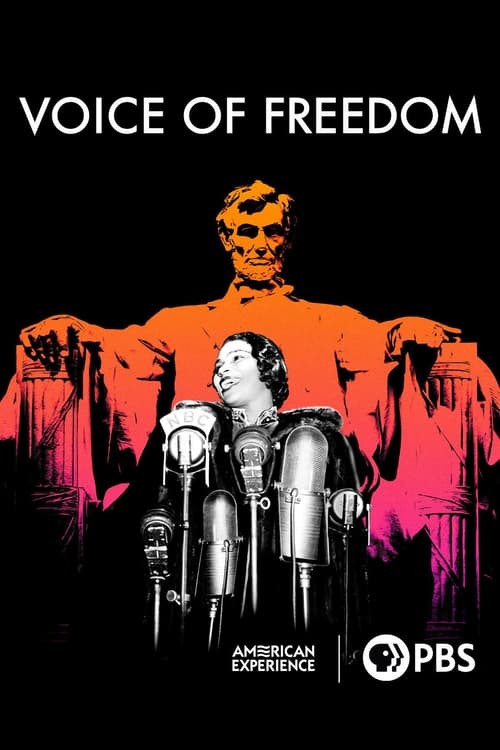
Voice of Freedom
On Easter Sunday, 1939, contralto Marian Anderson stepped up to a microphone in front of the Lincoln Memorial. Inscribed on the walls of the monument behind her were the words “all men are created equal.” Barred from performing in Constitution Hall because of her race, Anderson would sing for the American people in the open air. Hailed as a voice that “comes around once in a hundred years” by maestros in Europe and widely celebrated by both white and black audiences at home, her fame hadn’t been enough to spare her from the indignities and outright violence of racism and segregation.
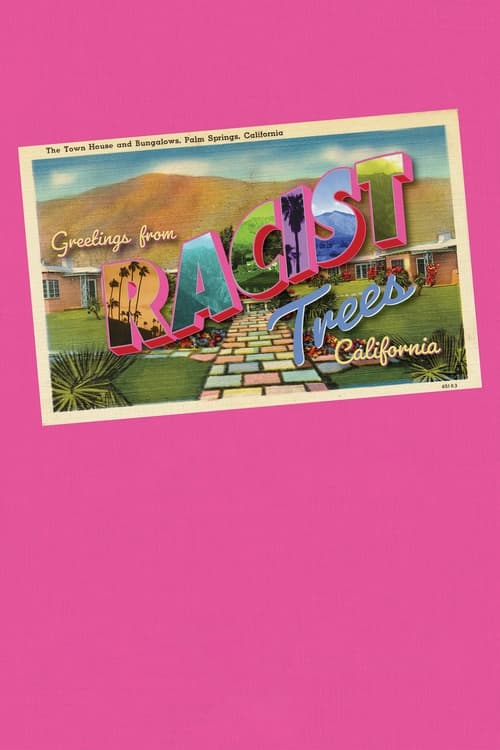
Racist Trees
Can a tree be racist? A few years ago, debate on this issue reached as far as Fox News. The focus was a row of tamarisk trees along a huge golf course in Palm Springs, which screened off the neighborhood of Crossley Tract. This is a historically Black neighborhood, named after its founder Lawrence Crossley, who was one of the first Black residents to settle in the largely white tourist paradise, established on indigenous land over a century ago.

Crisis: Behind a Presidential Commitment
During a two-day period before and after the University of Alabama integration crisis, the film uses five camera crews to follow President John F. Kennedy, attorney general Robert F. Kennedy, Alabama governor George Wallace, deputy attorney general Nicholas Katzenbach and the students Vivian Malone and James Hood. As Wallace has promised to personally block the two black students from enrolling in the university, the JFK administration discusses the best way to react to it, without rousing the crowd or making Wallace a martyr for the segregationist cause. Preserved by the Academy Film Archive in partnership with The Film Foundation in 1999.
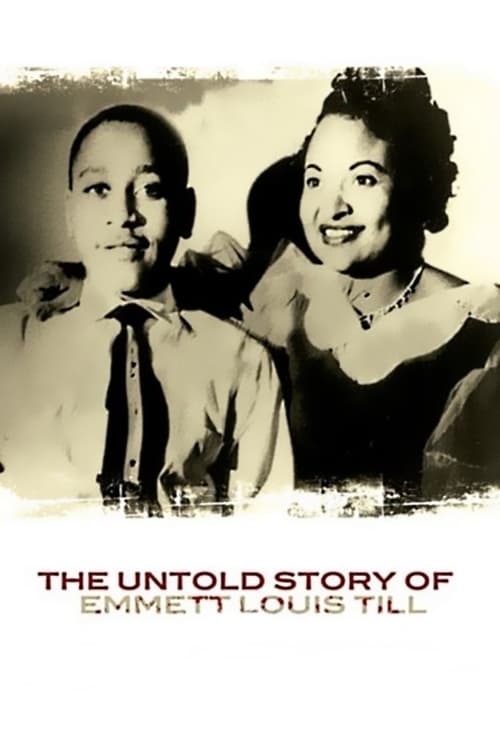
The Untold Story of Emmett Louis Till
Never-before-seen testimony is included in this documentary on Emmett Louis Till, who, in 1955, was brutally murdered after he whistled at a white woman.
Journey into Gaza
Voyage à Gaza
“In Gaza you have to get there in the evening, in spring, lock yourself in your room and from there listen to the sounds coming in through the open window.... It's 2018. I am 25 years old and a foreign traveler. I meet young Palestinians my age..”
Black Thoughts
A man that is a stranger, is an incredibly easy man to hate. However, walking in a stranger’s shoes, even for a short while, can transform a perceived adversary into an ally. Power is found in coming to know our neighbor’s hearts. For in the darkness of ignorance, enemies are made and wars are waged, but in the light of understanding, family extends beyond blood lines and legacies of hatred crumble.
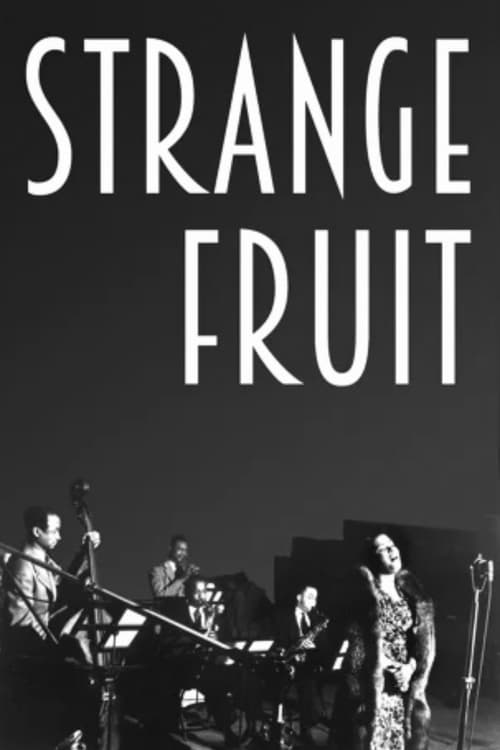
Strange Fruit
In 1937, after seeing a photo depicting the lynching of a black man in the south, Bronx-born high school teacher Abel Meeropol wrote a poem entitled "Strange Fruit" that begins with the words: "Southern trees bear a strange fruit / Blood on the leaves and blood at the root." He set the poem to music and a few years later convinced Billy holiday to record it in a legendary heartbreaking performance. Intertwining jazz genealogy, biography, performance footage, and the history of lynching, director Joel Katz fashions a fascinating discovery of the lost story behind a true American classic. Written by Excerpted from Coolidge Corner Theatre Program Update
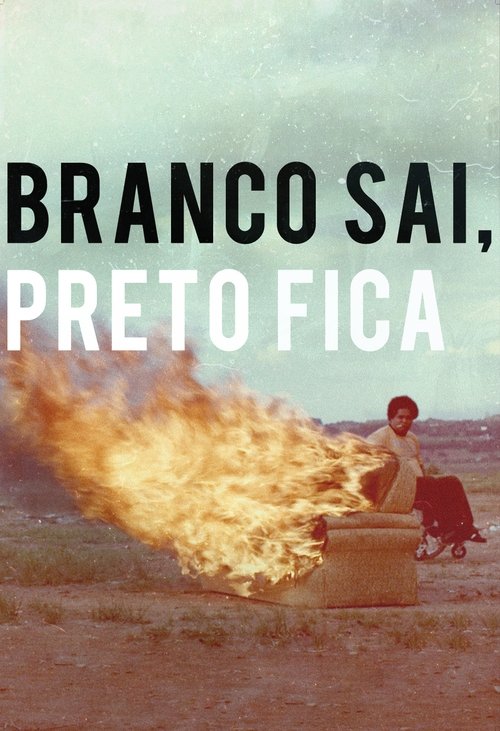
White Out, Black In
Branco Sai, Preto Fica
Shots fired inside a club frequented by black Brazilians in the outskirts of Brasilia leave two men wounded. A third man arrives from the future in order to investigate the incident and prove that the fault lies in the repressive society.
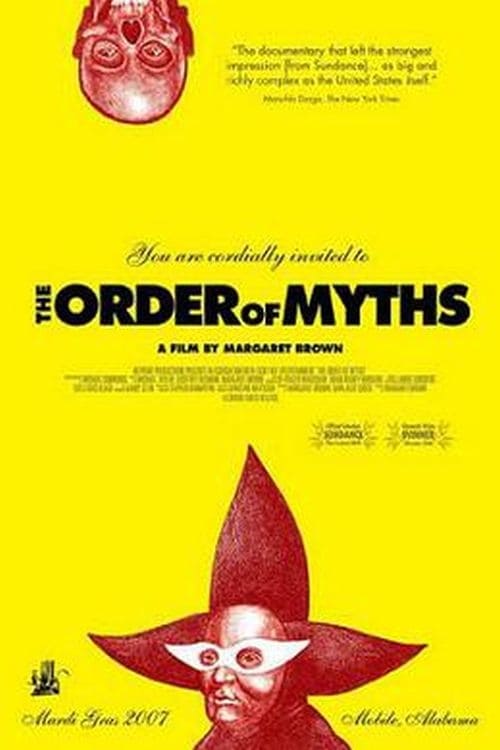
The Order of Myths
In 2007 Mobile, Alabama, Mardi Gras is celebrated... and complicated. Following a cast of characters, parades, and parties across an enduring color line, we see that beneath the surface of pageantry lies something else altogether.
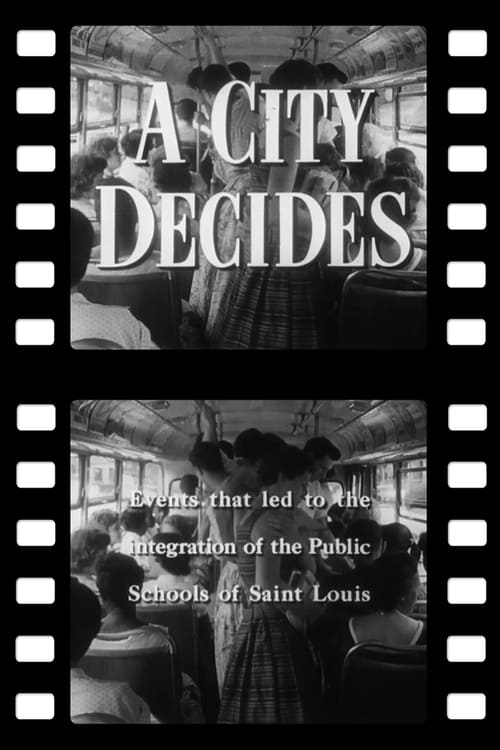
A City Decides
A City Decides chronicles the events that led to the integration of the St. Louis public schools in 1954. An Oscar-nominated short documentary from 1956.
White Like Me
In White Like Me, anti-racist educator Tim Wise explores race and racism in the US through the lens of whiteness and white privilege.
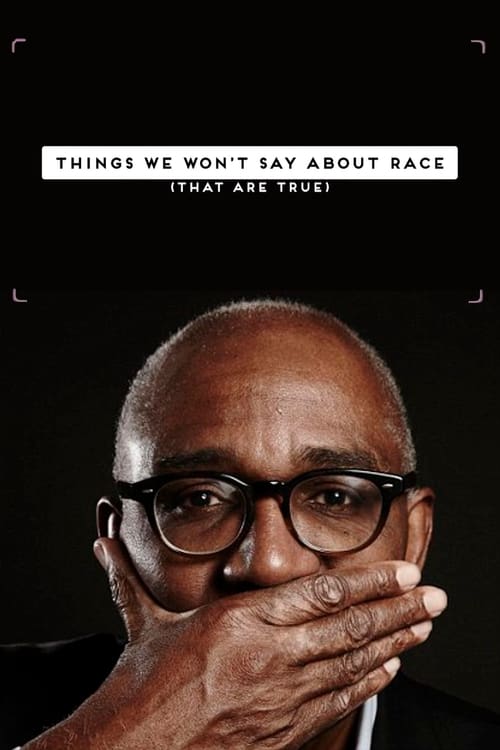
Things We Won't Say About Race That Are True
Trevor Phillips confronts some uncomfortable truths about racial stereotypes, as he asks if attempts to improve equality have led to serious negative consequences.

Banished
A look at three U.S. cities, which were part of many communities that violently forced African American families to flee in post-reconstruction America.